
Directory of Clinicians
By state

-
Ben Venable, Graduate Intern, supervised by Allison Cornell, LPC-S. Offering specialized spiritual abuse support groups, Ben brings a laid-back, relational approach to counseling, creating a space where clients can feel safe, heard, and supported. He works with teens, individuals, couples, and families both in person and through telehealth. Ben specializes in: Anxiety & Depression, Men’s Issues, Career Counseling, Grief & Loss, Religious Trauma, and Relationship Issues. ben@fireflycounselingwaco.com
Chelsea Garced, LCSW. Chelsea has the privilege of working with people navigating a wide range of experiences — from schizophrenia and other serious mental health conditions to substance use concerns. Her approach is rooted in compassion, respect, and a belief in meeting people exactly where they are, while gently challenging them when it supports their growth. https://care.headway.co/providers/chelsea-garced | https://www.garcedcounseling.org/
Chelsea Sanchez, LCSW-S. Chelsea is a licensed clinical social worker based in Houston. She provides online therapy for adults across Texas focused on anxiety, depression, and trauma. She works with people who are tired of just getting through the day and want to feel like they’re living again. Click this link to hear more and to set up a consultation: https://www.elevatehealingpathways.com/
Hannah Herber, MA, LPC Associate NCC. Hannah is a trauma-informed care practitioner by certification and specializes in religious OCD (Scrupulosity) and spiritual trauma. She also works closely with marriages experiencing narcissistic and spiritual abuse. https://archercounselinggroup.com/about-our-therapists#22f7bfa2-fec1-4604-a45a-9db15fdf8428
-
Organizations
Alongside (Located in Michigan)
Offers care and therapeutic counseling specifically for leaders or former leaders. Emphasizes a biblical worldview. https://www.alongsidecares.net/
Helping Survivors
Restored Voices Collective
A community for survivors of Adult Clergy Sexual Abuse. Survivor-led. https://www.restoredvoicescollective.com/
SNAP (Survivors Network of those Abused by Priests)
Mission Statement: Through public action and peer support, SNAP is building a future where no institution is beyond justice and no survivor stands alone. Our global community works to end sexual abuse in faith-based organizations by transforming laws, institutions, and lives. https://snapnetwork.org/
The Lantern Project
Several available resources to educate on the prevention of exploitation and trafficking. Learn how to notice the signs and be proactive in protecting yourself and loved ones. https://thelantern.net/
The Reclamation Collective
“Whether you are experiencing a wave of anger or resentment towards your faith of origin or you are in the process of trying to reclaim or reconstruct within a faith context, your experience is valid. We additionally house a religious trauma informed clinician directory on our website, where folks can find a therapist licensed in the state or province where they reside.” https://www.reclamationcollective.com/
Legal Support
Helping Survivors Legal Advocacy Group
Connecting individuals with civil law firms. https://helpingsurvivors.org/get-legal-help/
Disclaimer: THRP's referral directory is intended to expand access to clinicians who may have experience working with spiritual abuse and religious trauma. Inclusion in the directory does not constitute an endorsement or guarantee of services or outcomes. We believe every survivor deserves the autonomy to make informed decisions about their care and encourage each individual to choose the provider whose experience, approach, and therapeutic relationship best aligns with their unique needs, values, beliefs, and healing goals.
Book Suggestions
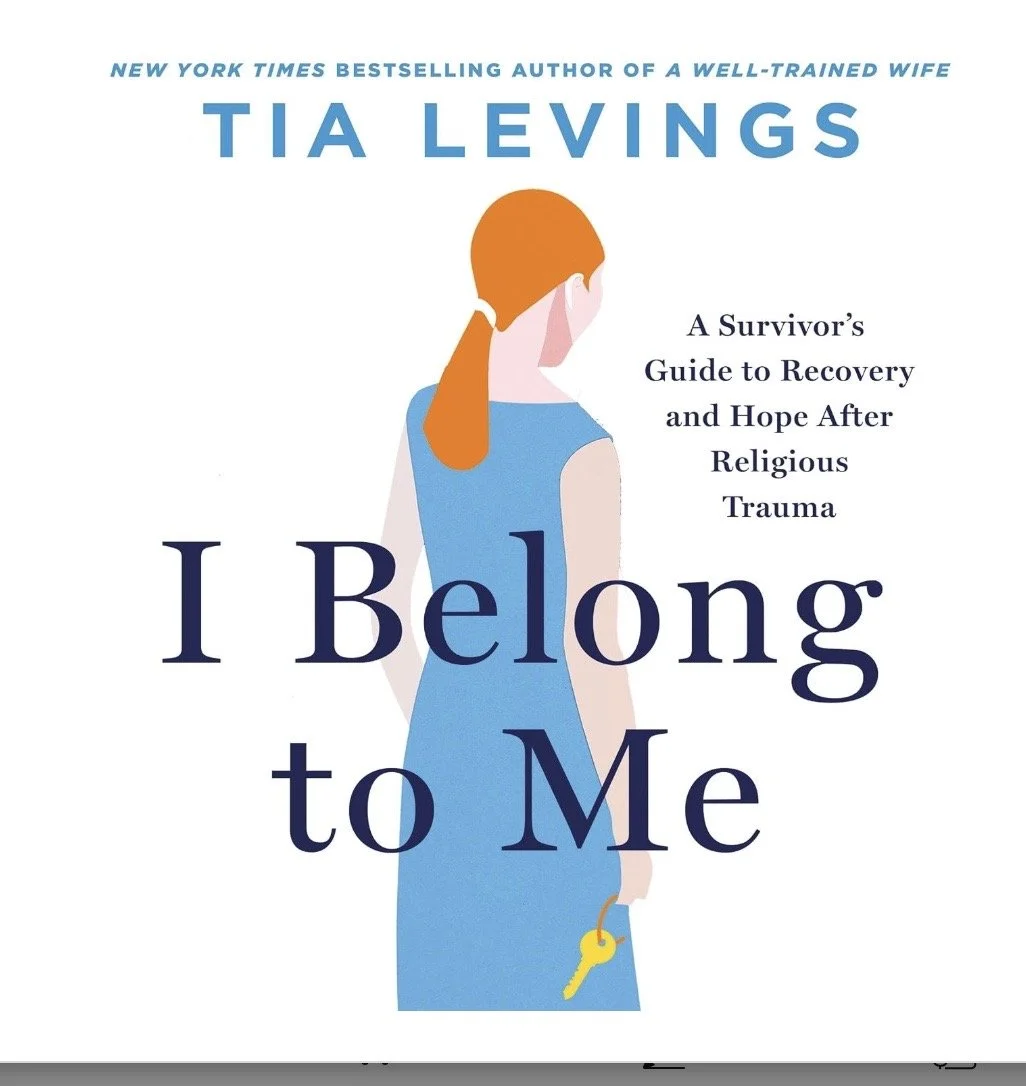
A Survivor’s Guide to Recovery and Hope after Religious Trauma by Tia Levings
A Simple Journal to Process Your Emotions through Loss by Jennifer Glen
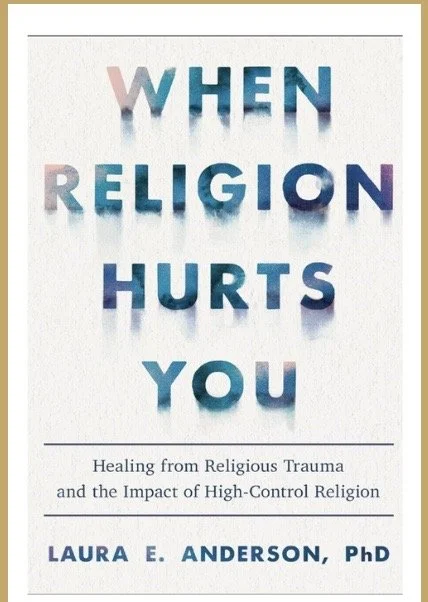
Healing from Religious Trauma and the Impact of High-Control Religion by Laura Anderson
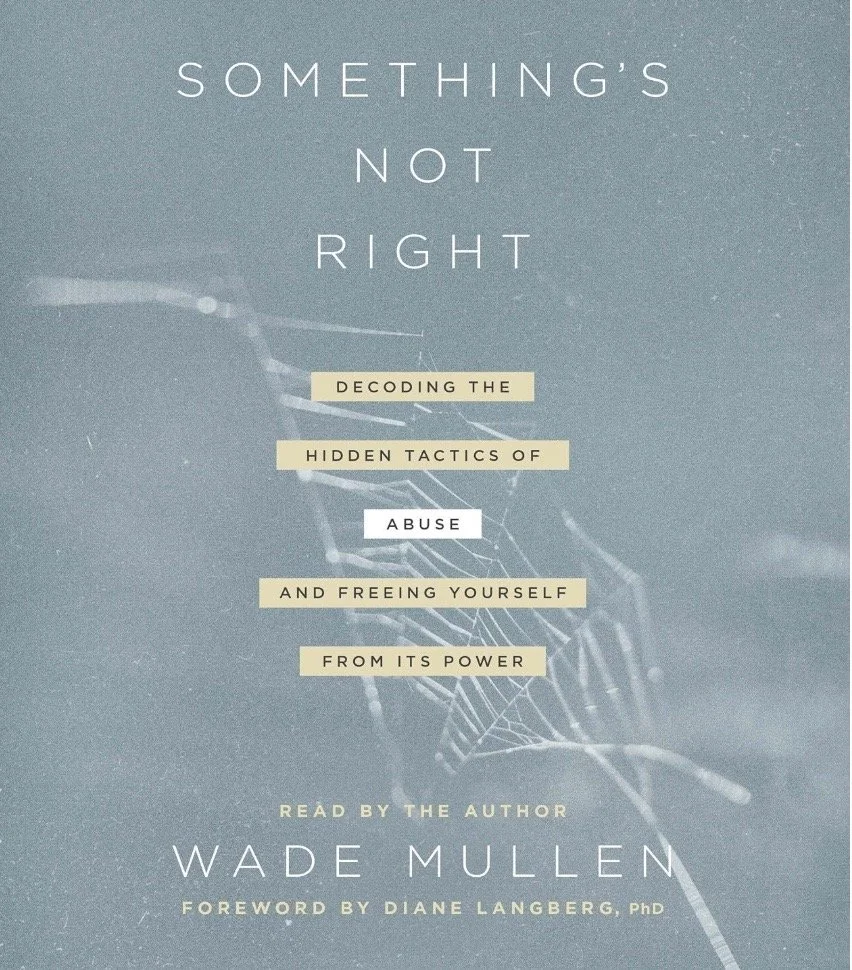
Decoding the Hidden Tactics of Abuse and Freeing Yourself from Its Power by Wade Mullen
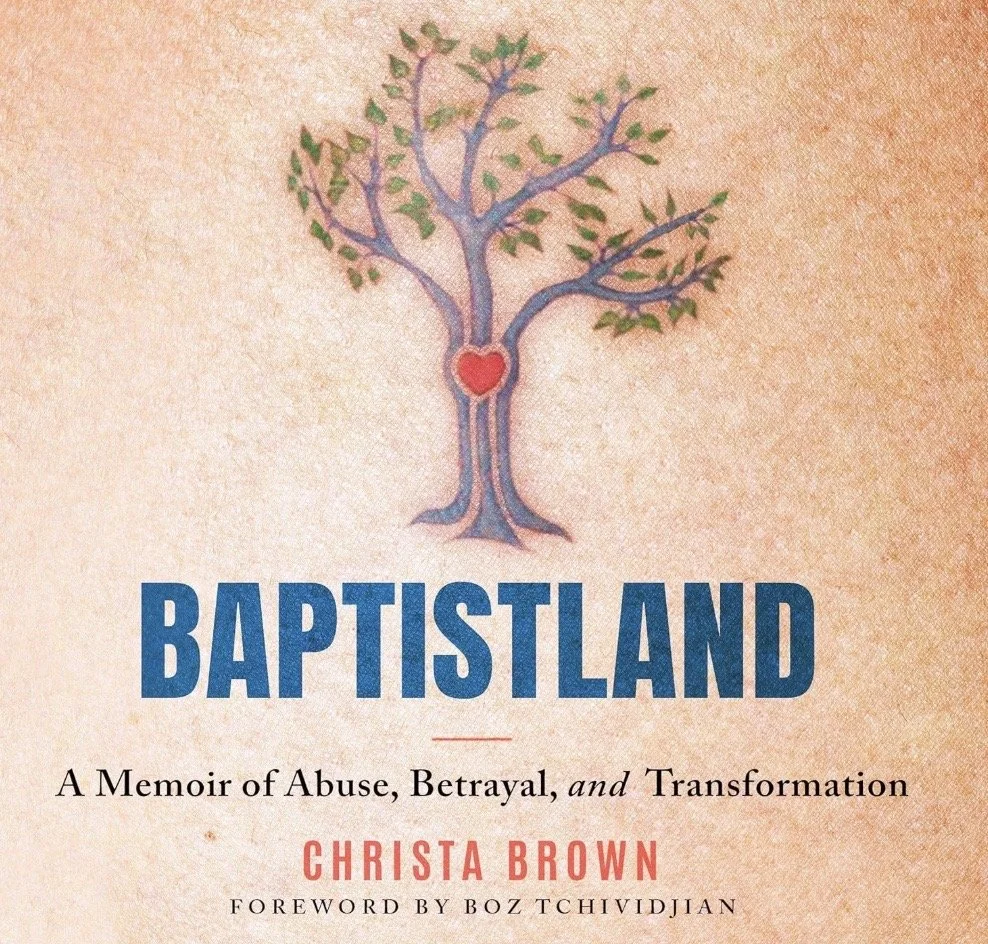
A Memoir of Abuse, Betrayal, and Transformation by Christa Brown
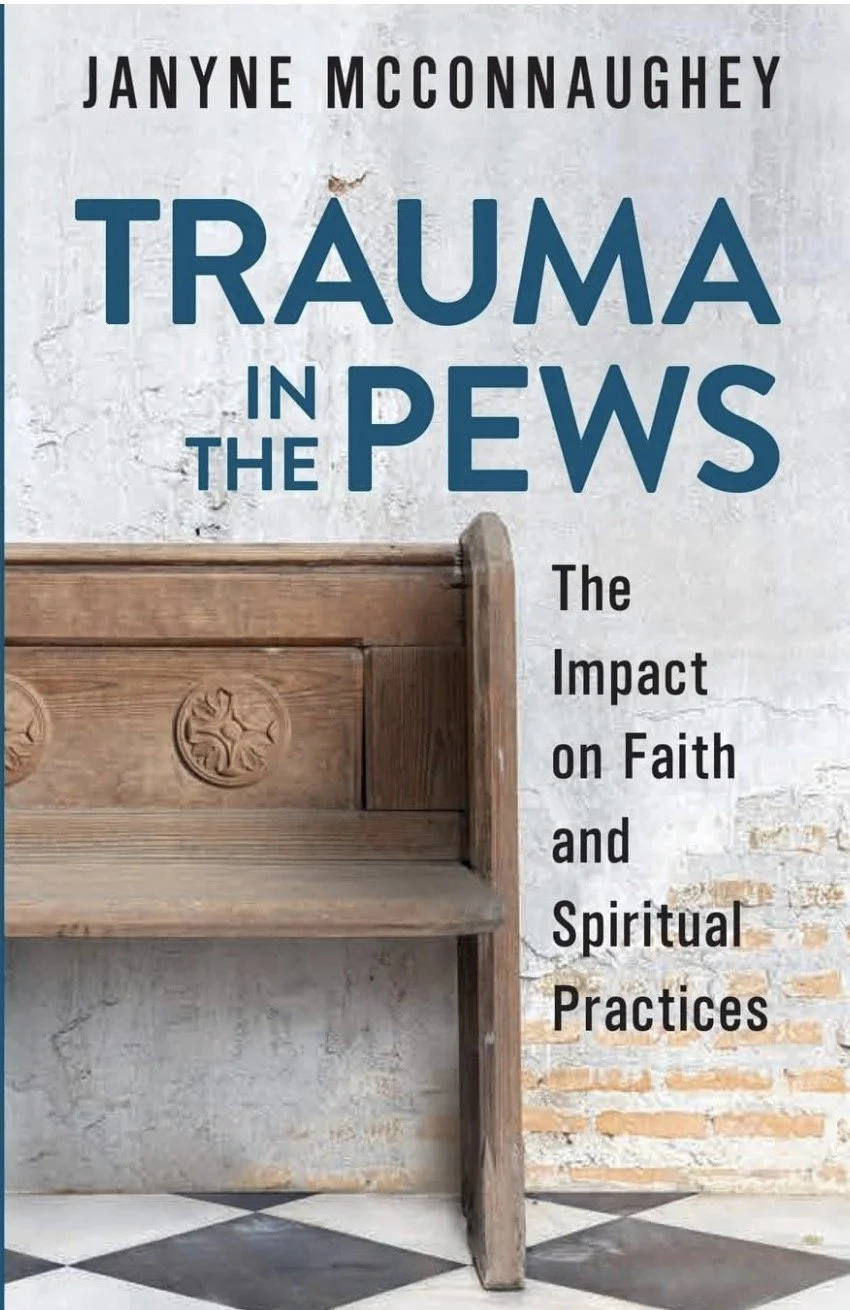
The Impact on Faith and Spiritual Practices by Janyne McConnaughey
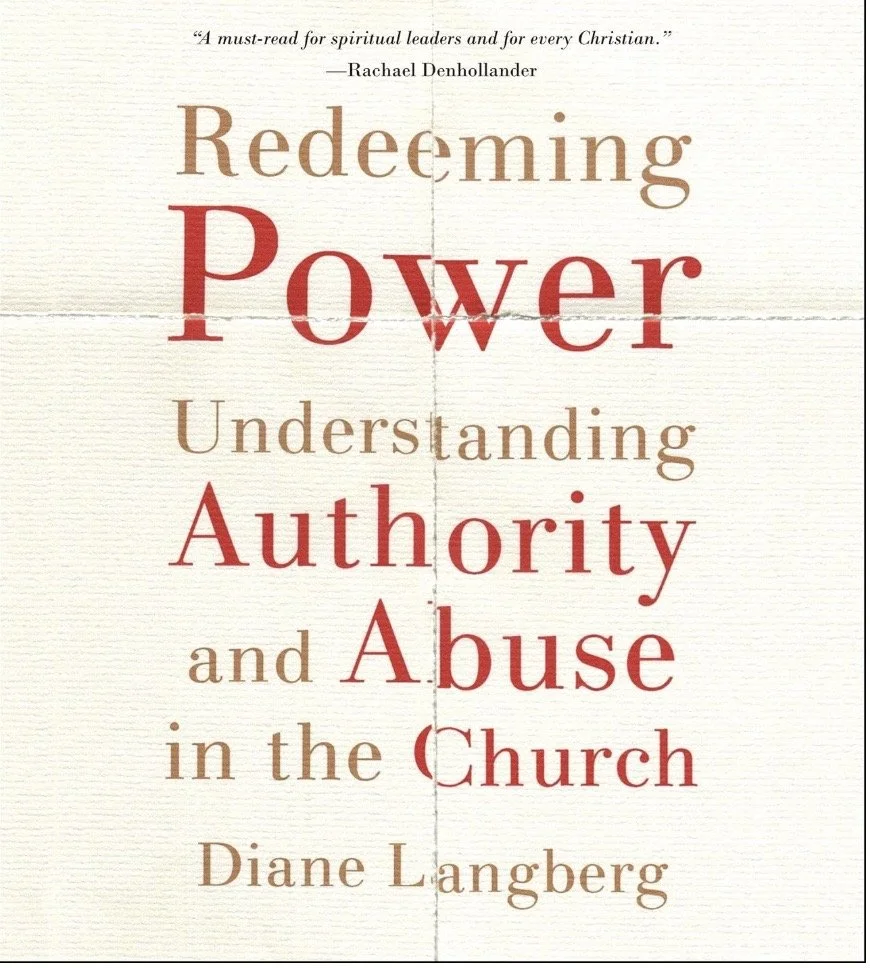
Understanding Authority and Abuse in the Church by Diane Langberg
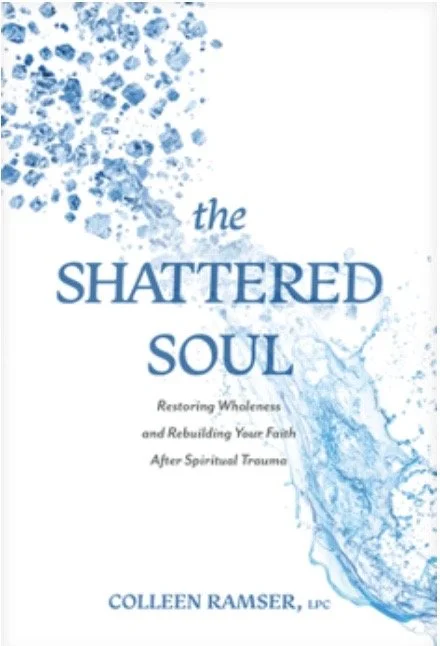
Restoring Wholeness and Rebuilding Your Faith After Spiritual Trauma by Colleen Ramser
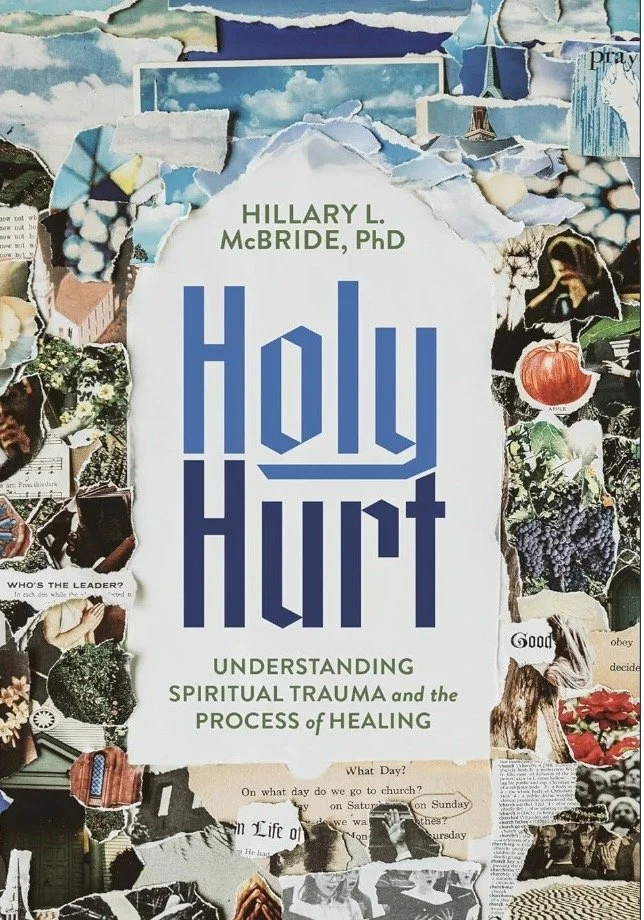
Understanding Spiritual Trauma and the Process of Healing by Hillary McBride
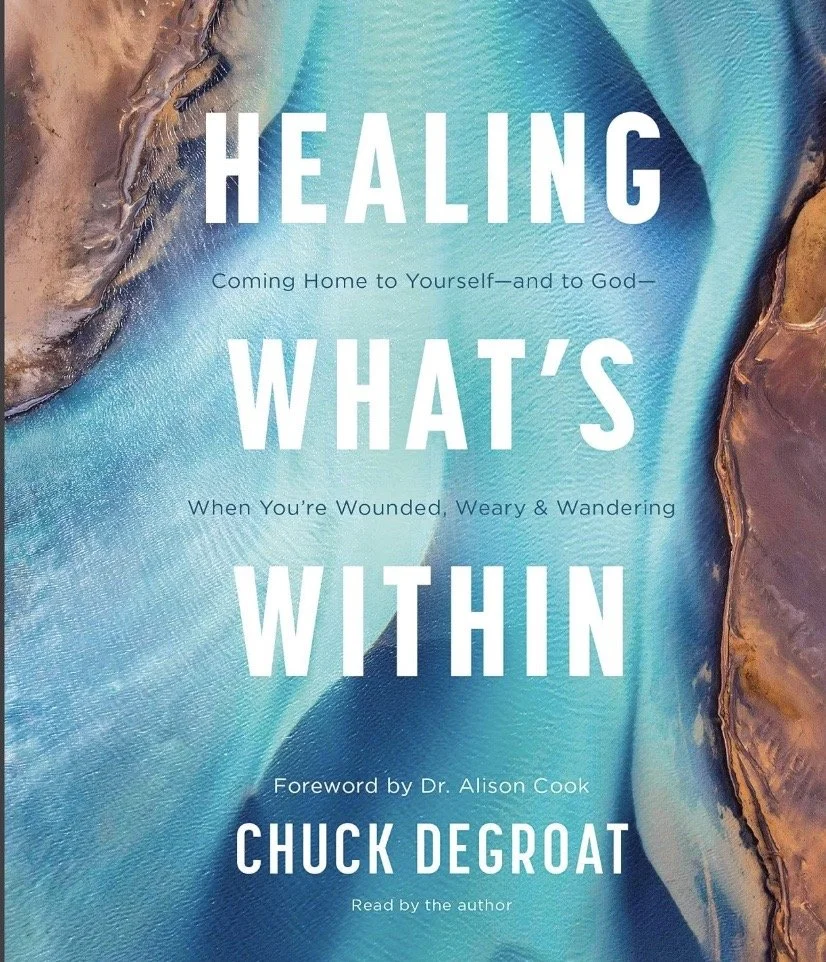
Coming Home to Yourself, and to God, when You're Wounded, Weary, and Wandering by Chuck DeGroat
“Grief is a form of hope.” - Hillary McBride
Putting Language to the Experience
Understanding common terms related to spiritual abuse, coercive control, and trauma.
-
Spiritual abuse is a form of emotional and psychological abuse characterized by patterns of coercion and control within a religious or spiritual context, or carried out using religious or spiritual beliefs as justification. It can include manipulation, enforced obedience or accountability, misuse of sacred texts or teachings, pressure to conform, restrictions on decision-making, demands for secrecy, isolation, and the misuse of spiritual authority. (source: https://journals.sagepub.com/doi/abs/10.1177/104990919801500409?_gl=1*1vzri4t*_up*MQ..*_ga*MzA4NDU0Mzg5LjE3ODcxNTYyMTE.*_ga_60R758KFDG*czE3ODcxNTYyMTEkbzEkZzEkdDE3ODcxNTYyMjAkajUxJGwxJGg4OTY3ODU0OTY.)
-
Coercive control is an ongoing pattern of behavior used to dominate another person by restricting their autonomy, choices, relationships, or access to information and resources. It can include intimidation, isolation, monitoring, manipulation, threats, humiliation, punishment, or the use of rules and expectations to create dependency and enforce compliance. Within religious settings, coercive control may involve the misuse of spiritual authority, doctrine, community relationships, or fear of spiritual consequences to pressure individuals into obedience or discourage questioning, disagreement, or leaving. (source: https://www.thehotline.org/identify-abuse/power-and-control/)
-
Trauma can result from an event, series of events, or set of circumstances that a person experiences as physically or emotionally harmful or life-threatening and that has lasting effects on their well-being or ability to function. Those effects may be emotional, psychological, physical, social, or spiritual. (source: https://www.samhsa.gov/mental-health/trauma-violence)
-
Institutional betrayal occurs when an institution that a person trusts or depends upon causes harm or fails to protect or respond appropriately when harm occurs. It may include covering up wrongdoing, failing to take reports seriously, protecting those responsible for harm, retaliating against those who speak up, or failing to provide reasonable protection or support. Jennifer Freyd's research describes institutional betrayal as including both wrongdoing by an institution and failures to prevent or respond supportively to wrongdoing within it. (source: https://www.institutionalcourage.org/knowledge-base-and-research-priorities#institutional-betrayal)
-
Grooming is a deliberate process through which a person builds trust, access, and influence with someone in order to create conditions that make exploitation or abuse easier to perpetrate or conceal. Grooming may develop gradually through attention, kindness, mentorship, special treatment, boundary testing, secrecy, isolation, manipulation, or the exploitation of a power imbalance. Note: RAINN's formal definition here concerns sexual grooming, particularly involving children, teens, and at-risk adults. RAINN describes grooming as a process rather than a single event and notes that perpetrators may also groom families and communities to gain trust and avoid detection. (source: https://rainn.org/get-the-facts-about-sexual-violence/get-the-facts-about-grooming/)
-
Moral injury refers to the lasting psychological, emotional, social, behavioral, and spiritual distress that can follow experiences that violate a person's deeply held moral beliefs or values. It may result from something a person did, witnessed, was unable to prevent, or from experiencing a profound betrayal by someone in a position of authority or trust. Feelings of guilt, shame, anger, betrayal, loss of trust, and spiritual conflict can accompany moral injury. Importantly, moral injury is not itself a psychiatric diagnosis and is not the same thing as PTSD, although the two can occur together. (source: https://www.ptsd.va.gov/professional/treat/cooccurring/moral_injury.asp)
-
DARVO stands for Deny, Attack, and Reverse Victim and Offender. It describes a response in which a person confronted about harmful behavior denies or minimizes what occurred, attacks the credibility or character of the person raising the concern, and then reverses the roles so that the accused person presents themselves as the victim and the person who raised the concern becomes the alleged offender. (source: https://www.jjfreyd.com/darvo)
-
Gaslighting is a form of manipulation intended to cause another person to doubt their own perceptions, experiences, memories, or understanding of events. Over time, repeated gaslighting can make it increasingly difficult for someone to trust their own judgment or interpretation of what they have experienced. The American Psychological Association notes that the word is now used more broadly than its original meaning. The defining feature is manipulation aimed at undermining someone's confidence in their perception or understanding of reality. (source: https://dictionary.apa.org/gaslight)
Guided Journaling for Survivors of High-Control Religion ($): https://brittanyhart.samcart.com/products/guided-journaling-workshop If you were part of a high-control religious group, you may have absorbed beliefs about time, urgency, and your own worth that are still quietly shaping your life today — even if you left that community years ago. For many survivors of high-control religion, those feelings trace back to end-times theology that was never fully untangled. And the body doesn't always let go just because the beliefs have changed. "How to Finally Trust the Beauty of Your Everyday Life” is a gentle, 7-day guided journaling program designed to help you find language for what you've been carrying and begin to set it down. By Brittany Hart, an author and coach who writes at the intersection of spiritual trauma and recovery.
Digital Resources
Courses
Grounding and Breath Work Exercises
Emotions/Feelings Wheel: https://feelingswheel.app/assets/img/Feelings_Wheel.pdf
Managing Anxious Thoughts And Stress With Mindfulness:
Grounding Exercise for Racing Minds:
The Wisdom of Your Body with Dr. Hillary McBride (The Healing Trauma Podcast)
Self Care
7 Kinds of Self-Care for Survivors of Sexual Trauma & How They Help:
https://rainn.org/self-care/7-kinds-of-self-care-how-they-help/
Pastor Sexual Exploitation Framework - Slides:
Adult Clergy Sexual Abuse survivor | Episode 6 - Trauma and Its Effects (Right Side Up Podcast)
Religious Trauma Is Real — And It’s Everywhere with Dr. Hillary McBride (Mighty Pursuit)
Spiritual Abuse